Source wireless dslr camera video extender for live streaming, studio shoots, and remote filming
Compare 30 listings for wireless dslr camera video extender solutions suitable for live streaming, studio shoots, and remote filming. Review specifications like load capacity, material, and delivery times from verified suppliers in China.
Key considerations
Products List





Comprehensive Sourcing Guide
Strategic Sourcing Guide for Wireless DSLR Video Extenders
Understanding the Technical Landscape of Wireless Transmission
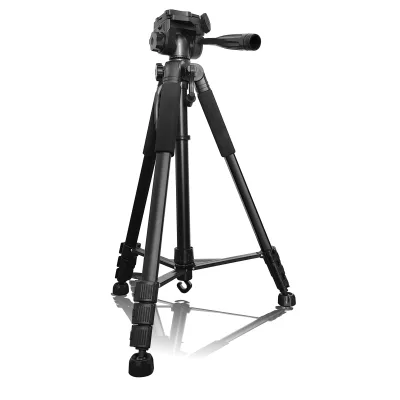
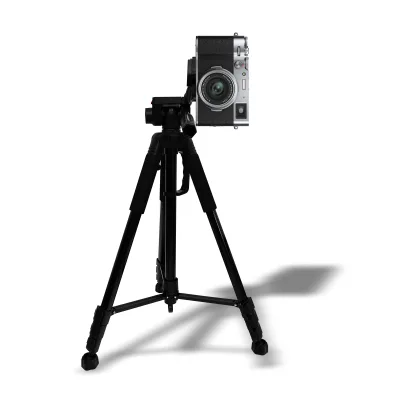
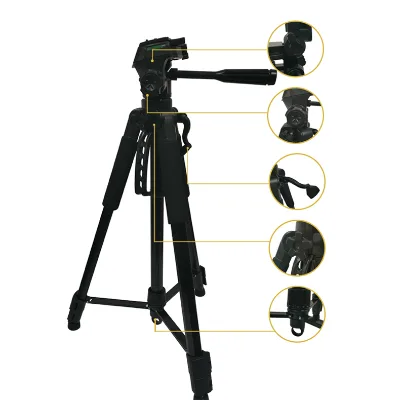
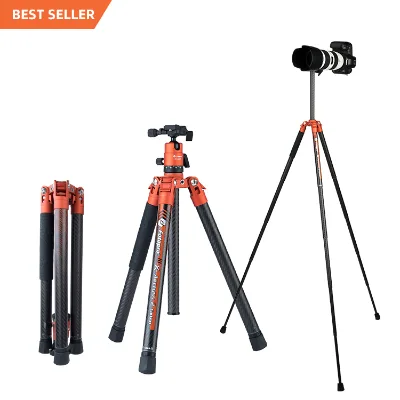
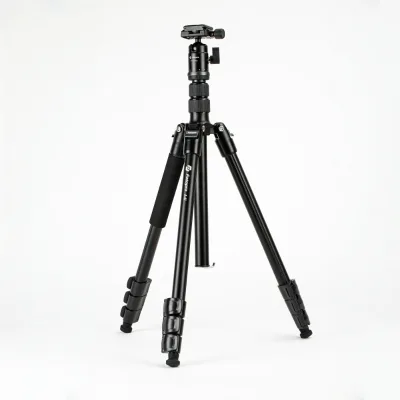
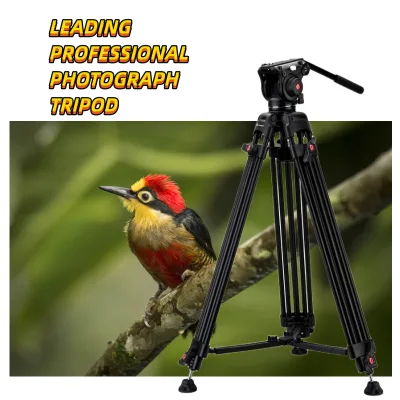
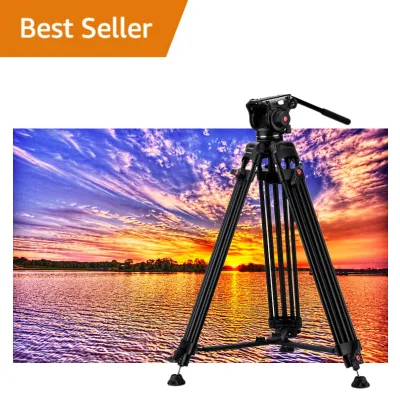
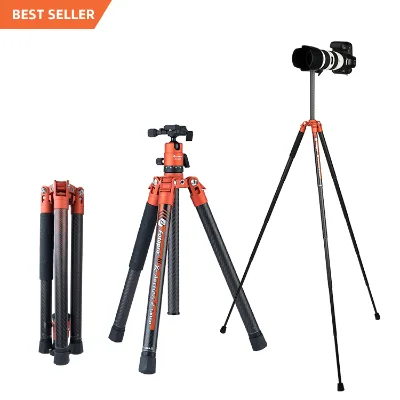
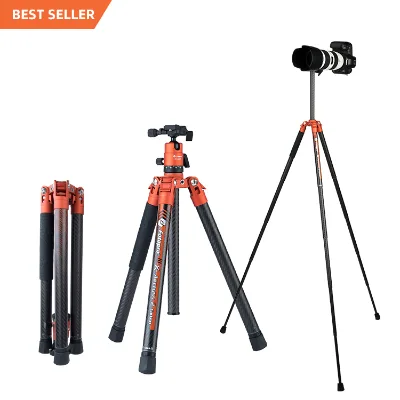
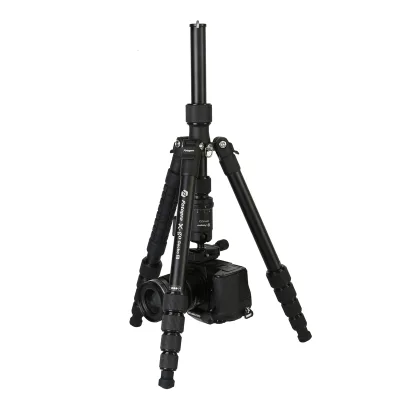
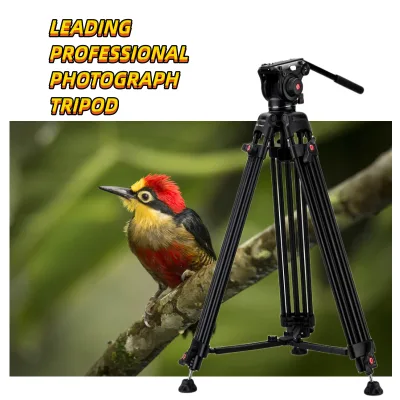
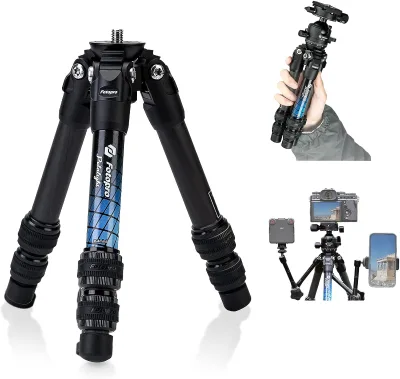
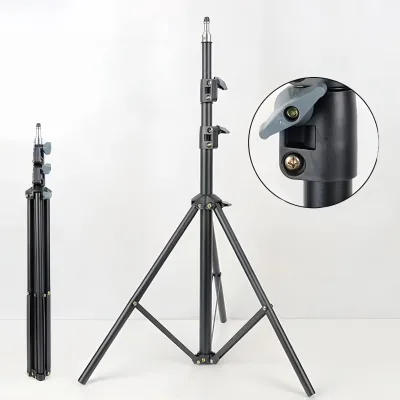
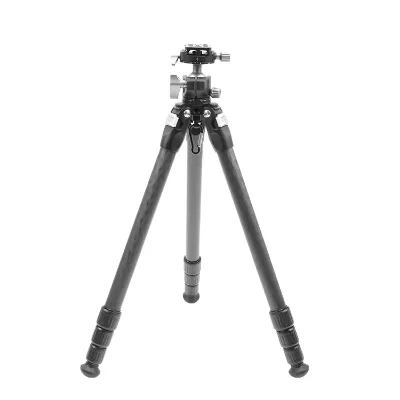
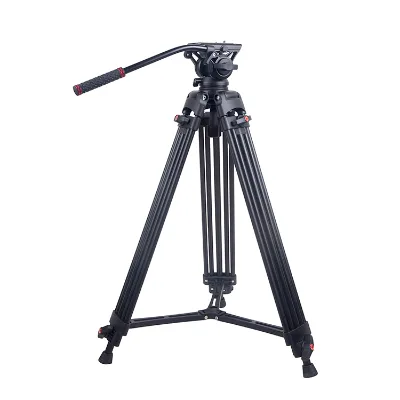
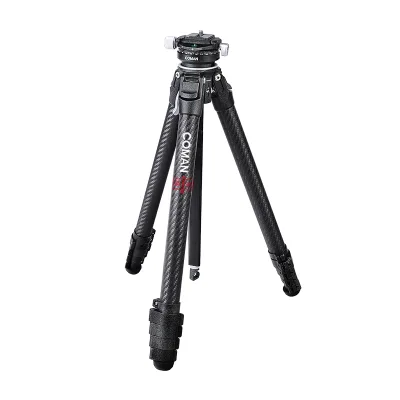
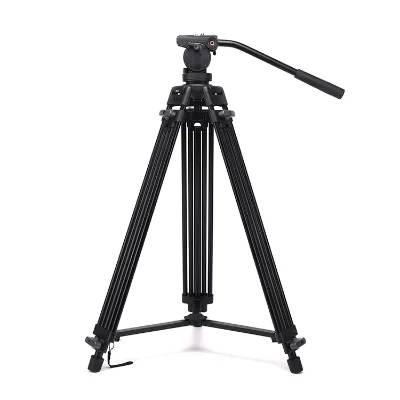
When sourcing wireless DSLR camera video extenders, buyers must first distinguish between the core keyword and the actual product attributes observed in the current market. The supplied product data indicates a strong presence of physical support systems, specifically tripods and overhead mounts, rather than active wireless transmission modules. For instance, the observed product range includes items labeled as "Professional Aluminum Photographic Camera Tripod" and "Flexible Tripod," with specific model numbers such as FT-150 and FT-6395. These physical supports are often prerequisites for stable video capture but do not inherently provide wireless video extension capabilities.
A buyer researching "wireless dslr camera video extender" must verify if the supplier offers active RF or Wi-Fi transmission units capable of relaying video signals from the camera to a remote monitor or recording device. The provided facts highlight materials like Aluminum and Metal, with load capacities ranging from 5 KG to 5000 (likely grams or a specific unit context). While these materials are essential for the structural integrity of camera supports, they do not confirm the presence of electronic components required for wireless extension. Buyers should explicitly request technical datasheets that detail transmission frequency bands, latency metrics, and signal range, as these are not present in the current observation set. The absence of electronic specifications in the provided list suggests that the current inventory is heavily skewed toward mechanical support gear, necessitating a careful search for specialized electronic accessories within the broader supplier catalog.
Compliance and Certification Verification Protocols
In the realm of electronic video transmission equipment, compliance with international safety and electromagnetic standards is non-negotiable. The supplied product data reveals that some items in the broader category carry certifications such as CE and RoHS, specifically noted under the "Certification" attribute for products originating from Guangdong, China. While these certifications are typically associated with electronic goods, their presence in a dataset dominated by tripods indicates a supplier that may adhere to broader compliance standards.
For a wireless video extender, buyers must verify that the device meets specific regulatory requirements for radio frequency (RF) emissions. The CE marking implies conformity with health, safety, and environmental protection standards for products sold within the European Economic Area. RoHS (Restriction of Hazardous Substances) compliance ensures that the device does not contain excessive levels of lead, mercury, cadmium, and other hazardous materials. However, buyers should not assume that a supplier offering certified tripods automatically offers certified wireless extenders. Each electronic component must be individually tested and certified.
Furthermore, buyers should check for FCC (Federal Communications Commission) certification if the product is intended for the North American market. The provided text mentions a "prod_standard" of "50G," but this is ambiguous and does not clearly map to a recognized wireless transmission standard. Buyers must insist on seeing valid test reports from accredited laboratories that verify the device's compliance with local radio regulations. Without these documents, the risk of the product being seized at customs or facing legal action for non-compliance is significant. The "place of origin" being listed as Zhejiang or Guangdong, China, is common for manufacturing, but it does not guarantee that the specific electronic model meets the destination country's standards.
Cost Drivers and Pricing Structure Analysis
The pricing for wireless video extenders is driven by several factors distinct from the mechanical costs of tripods. The observed price range in the supplied data spans from 1.61 to 5000 USD, a wide variance that likely reflects the difference between basic mechanical accessories and high-end professional gear. However, for wireless transmission units, the cost is primarily dictated by the quality of the transmission chip, the range of the signal, and the resolution support (e.g., 1080p vs. 4K).
Buyers should anticipate that high-performance wireless extenders will command a premium due to the need for low-latency processing and robust signal encryption. The "MOQ" (Minimum Order Quantity) observed in the data varies significantly, from 2 Pcs to 100 Pcs. This variability suggests that suppliers may offer different pricing tiers based on order volume. For a wireless extender, the cost per unit often decreases as the order quantity increases, but the initial investment for tooling or custom firmware can be substantial.
Additionally, the "Selling Units" are listed as "Single item," which implies that the product is sold individually rather than in bulk kits. Buyers should clarify if the price includes necessary accessories like power adapters, mounting brackets, or carrying cases. The "Single gross weight" and "Single package size" are also critical for logistics cost calculations. For example, a product with a package size of 68x15x15 cm and a gross weight of 2.500 kg will incur higher shipping costs compared to a more compact unit. Buyers must factor in these logistical expenses when calculating the total landed cost, as they can significantly impact the final price competitiveness of the product.
Typical Applications and Use Cases
The supplied product attributes indicate that the observed items are "Suitable for Dslr SLR Camera Phone" and "Professional Photographers." While these are mechanical supports, the underlying need for stability and mobility is directly relevant to the use of wireless video extenders. Wireless extenders are typically employed in scenarios where the camera must be placed in a location inaccessible to the operator, such as in tight spaces, on moving vehicles, or in high-angle shots.
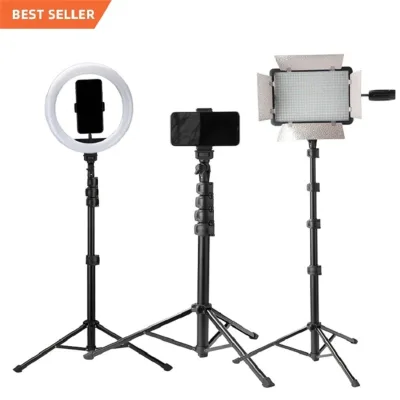
In professional video production, wireless extenders allow directors and camera operators to view the live feed on a separate monitor without being tethered to the camera. This is crucial for dynamic shooting environments where the camera operator needs to move freely while the director monitors the shot from a distance. The "Flexible Tripod" type mentioned in the data suggests a need for adaptable setups, which often pairs well with wireless systems to achieve unique angles.
For commercial applications, such as live streaming or event coverage, the reliability of the wireless connection is paramount. Buyers should evaluate whether the extender supports the specific resolution and frame rate requirements of their production workflow. The "Max Load" capacity of the supporting equipment, observed as 5 KG or 5000 in the data, is a critical consideration. If the wireless extender is mounted on a tripod, the combined weight of the camera, lens, and extender must not exceed the load capacity of the support system. A mismatch here can lead to equipment failure or safety hazards.
Supplier Evaluation and Capability Assessment
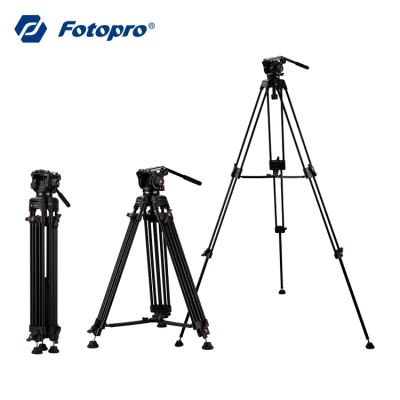
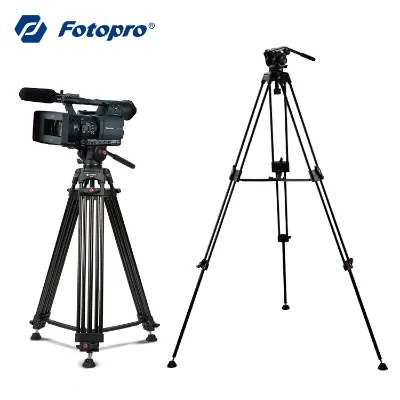
Evaluating a supplier for wireless video extenders requires a deeper dive than simply checking product listings. The provided data shows a "brand name" of "YUYUE DIGIT" and "Fotopro," which are established names in the photography equipment sector. However, the presence of these brands in a list dominated by tripods does not confirm their expertise in wireless electronics. Buyers should verify the supplier's R&D capabilities and their history of producing electronic accessories.
Key evaluation criteria include the supplier's ability to provide custom solutions, as indicated by the "Logo: Accept Customized Logo" and "Customization: Available" attributes. This suggests the supplier is open to branding and potentially modifying product specifications. For wireless extenders, customization might involve adjusting the transmission frequency or integrating specific mounting interfaces. Buyers should also assess the "Delivery" lead time, which is listed as "Within 7 Days" for some items. For electronic components, a 7-day lead time might be indicative of stock availability rather than manufacturing capacity. Buyers should clarify if this lead time applies to custom orders or standard stock items.
Furthermore, the "place of origin" being Zhejiang or Guangdong, China, is a hub for electronics manufacturing, but buyers must verify the specific factory's quality control processes. A supplier that manufactures both mechanical tripods and electronic extenders may have different production lines and quality standards for each. Buyers should request samples to test the actual performance of the wireless transmission, including signal stability, battery life, and heat dissipation.
Quality Control and Long-Term Procurement Considerations
Quality control for wireless video extenders must extend beyond visual inspection to include functional testing. The "Single gross weight" and "Single package size" data points are useful for verifying that the product matches the description, but they do not guarantee electronic functionality. Buyers should implement a rigorous QC protocol that includes testing for signal interference, battery endurance, and durability under various environmental conditions.
The "Package" is described as "gift box package" or "in Carton," which indicates the level of protection during shipping. For delicate electronic components, the packaging must be robust enough to prevent damage from drops or moisture. Buyers should also consider the "Private mold" status, which is listed as "No" in the provided data. This suggests that the products may be off-the-shelf designs rather than proprietary models. For long-term procurement, buyers should evaluate the availability of spare parts and the supplier's commitment to product updates.
Long-term considerations also include the scalability of the supply chain. If a buyer plans to deploy wireless extenders across multiple projects, they need a supplier that can consistently meet volume demands without compromising quality. The "MOQ" of 100 Pcs or 2 Pcs indicates flexibility, but buyers should negotiate terms that allow for incremental ordering to manage cash flow. Additionally, buyers should establish a clear communication channel for after-sales support, including warranty claims and technical assistance. The "Certification" of CE and RoHS provides a baseline for safety, but buyers should also inquire about the supplier's track record for handling returns and replacements.
Comparative Analysis of Product Attributes
To aid in decision-making, the following table summarizes key attributes observed in the market data, highlighting the distinction between mechanical supports and the potential needs for wireless transmission units.
| Attribute | Observed Value | Relevance to Wireless Extender |
|---|---|---|
| Material | Aluminum, Metal | Essential for housing durability, but does not confirm electronics. |
| Load Capacity | 5 KG, 5000 | Critical for mounting stability; must support camera + extender weight. |
| Certification | CE, RoHS | Mandatory for electronic compliance; verify for specific wireless models. |
| MOQ | 2 Pcs - 100 Pcs | Indicates flexibility; negotiate based on project scale. |
| Lead Time | Within 7 Days | Suggests stock availability; verify for custom electronic orders. |
| Brand | YUYUE DIGIT, Fotopro | Established names; verify specific product lines for electronics. |
| Product Type | Tripod, Flexible Tripod | Mechanical support; wireless extender is a separate electronic category. |
| Origin | Zhejiang, Guangdong | Major manufacturing hubs; verify factory capabilities for electronics. |
This comparison underscores the importance of distinguishing between the mechanical infrastructure (tripods) and the active transmission technology (wireless extenders). Buyers must ensure that their procurement strategy addresses both aspects to achieve a complete and functional video production setup. By rigorously verifying technical specifications, compliance, and supplier capabilities, buyers can mitigate risks and secure high-quality wireless video extenders that meet their professional requirements.
FAQs
What materials are used for wireless video extender housings?
Wireless video extenders typically use aluminum or metal housings for durability. The observed market data confirms aluminum and metal are common materials for camera support gear, which often share similar construction standards for electronic accessories.
Can these devices support a maximum load of 5 kg?
The load capacity of 5 kg applies to tripod supports, not the electronic extender itself. Buyers must ensure the mounting system can handle the combined weight of the camera, lens, and extender to prevent structural failure during use.
Which certifications should I look for in video transmission units?
Look for CE and RoHS certifications to ensure safety and environmental compliance. While some listed products carry these marks, buyers must verify that the specific wireless transmission model has been tested and certified for radio frequency emissions in the target market.
How fast can suppliers deliver wireless video extension equipment?
Some suppliers offer delivery within 7 days for standard items. However, this lead time may vary for custom electronic components, so buyers should confirm if the quoted time applies to stock availability or manufacturing cycles for specific wireless models.
What is the minimum order quantity for these devices?
Minimum order quantities observed in the market range from 2 to 100 pieces. Buyers should check specific supplier terms as the MOQ can vary significantly based on whether the item is a standard model or requires custom branding and firmware.
Can I request a customized logo on the device?
Yes, customization is available for adding logos to the product. Suppliers often accept customized branding requests, but buyers should clarify if this applies to the electronic housing and if there are additional costs or minimum quantity requirements for custom orders.